What Is Rheumatism (Rematiss)? A Simple Guide for Patients
If you have ever heard an older relative complain about “rheumatism” acting up before the rain, you are not alone. “Rematiss” is one of the most commonly used, and most misunderstood, words in everyday health talk. Here is what it actually means, and when you should take it seriously.
Is “Rheumatism” a Real Diagnosis?
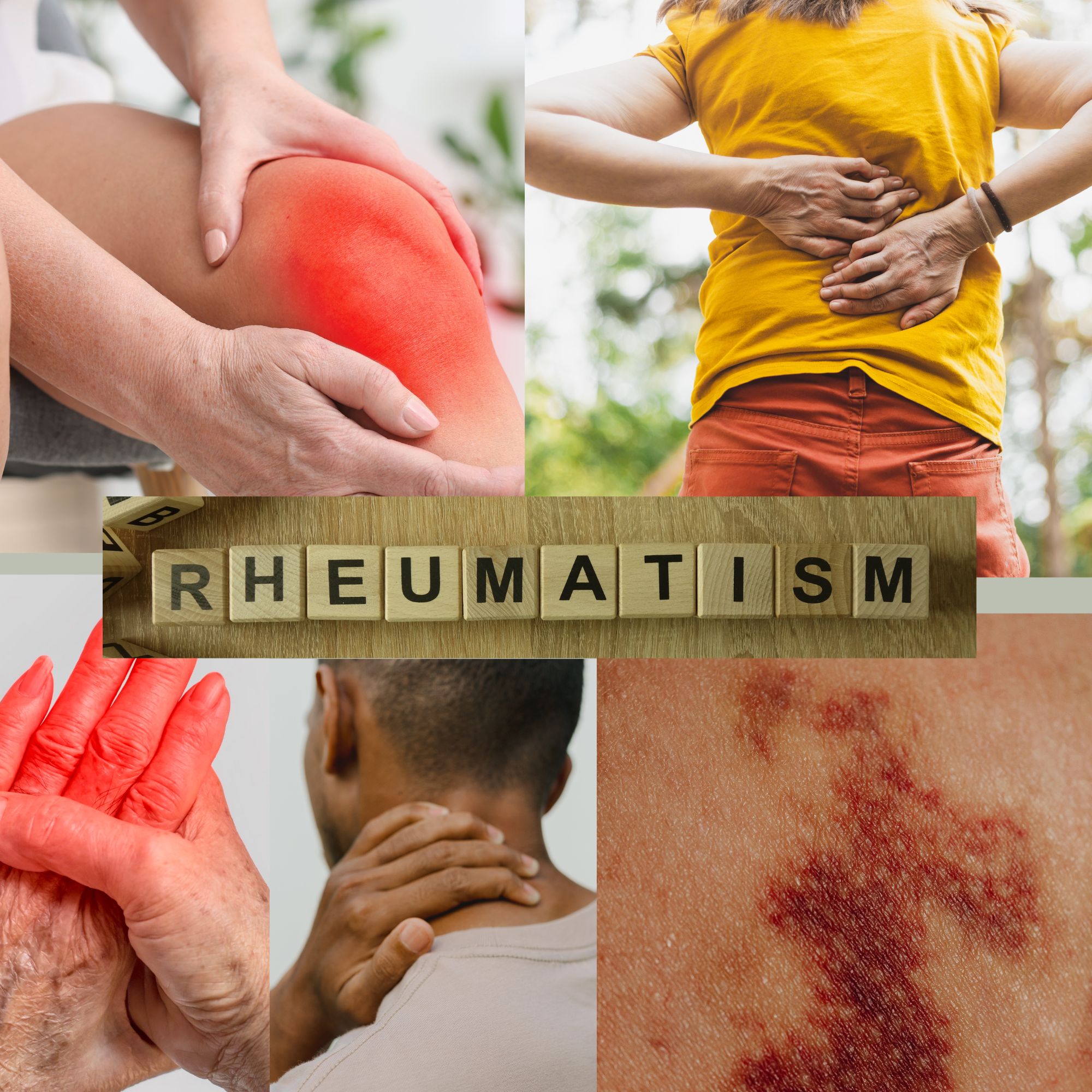
Not exactly. “Rheumatism” is not a specific disease — it is an old-fashioned umbrella term people use to describe pain, stiffness or swelling in the joints, muscles or connective tissues. Doctors today prefer more precise names, because “rheumatism” can actually refer to more than 100 different conditions, each with its own cause and treatment.
When someone says they have rheumatism, they usually mean one of the following:
- Osteoarthritis — wear-and-tear damage to joint cartilage, common with age.
- Rheumatoid arthritis — an autoimmune condition where the body attacks its own joints.
- Gout — sudden, intense joint pain caused by uric acid crystals.
- Soft-tissue rheumatism — pain in tendons, ligaments or muscles, such as tennis elbow or frozen shoulder.
- Fibromyalgia — widespread muscle pain and fatigue with no visible joint damage.
Common Symptoms
While the underlying cause varies, “rheumatism” symptoms typically include:
- Joint or muscle pain that comes and goes, or worsens with activity or weather changes.
- Stiffness, especially in the morning or after sitting still.
- Swelling, warmth or redness around a joint.
- Reduced range of motion.
- Fatigue, in conditions with an inflammatory or autoimmune basis.
What Causes It?
There is no single cause, because “rheumatism” is not one illness — but the main contributors include:
- Aging and mechanical wear on joints, as in osteoarthritis.
- Autoimmune activity, where the immune system mistakenly attacks joint tissue.
- Metabolic factors, such as excess uric acid in gout.
- Injury or repetitive strain on tendons and muscles.
- Genetics, which can predispose some people to inflammatory joint disease.
When Should You See a Doctor?
Occasional stiffness after a long day is usually nothing to worry about. But you should book a consultation if you notice:
- 🟡 Joint pain lasting more than a few weeks.
- 🟡 Visible swelling, redness or warmth over a joint.
- 🟡 Pain severe enough to limit daily activities.
- 🔴 Symptoms affecting several joints at once, especially symmetrically (both hands, both knees).
- 🔴 Fever alongside joint pain.
Getting an accurate diagnosis matters, because conditions like rheumatoid arthritis can cause lasting joint damage if left untreated, while others, like mild osteoarthritis, can often be managed with simple lifestyle measures.
How Is It Treated?
Treatment depends entirely on the underlying condition, but common approaches include:
- Pain and anti-inflammatory medication, tailored to the diagnosis.
- Physiotherapy and gentle exercise to preserve joint mobility and strength.
- Weight management, which reduces load on weight-bearing joints.
- Dietary adjustments, particularly for gout.
- Specific disease-modifying treatment, for autoimmune conditions like rheumatoid arthritis.
Myth-Busting: A Few Quick Facts
- “Rheumatism only affects older people.” Not true — conditions like rheumatoid arthritis and fibromyalgia can start in young adults, even children.
- “It is just the weather.” Some people do notice weather-related flare-ups, but weather does not cause the underlying condition — it may just affect how symptoms feel.
- “Nothing can be done about it.” Most causes of “rheumatism” respond well to the right treatment plan, especially when caught early.
The Bottom Line
“Rheumatism” is really a signal word: it tells you something is going on with your joints or muscles, but not what. If pain or stiffness is becoming a regular part of your life, the best next step is a proper evaluation to identify the exact cause and start the right treatment early.
This article is general health information and does not replace a medical consultation. If you have persistent joint or muscle symptoms, please see your doctor for an accurate diagnosis.
Ongoing joint or muscle pain and not sure what's behind it? Message directly and ask.
Message on WhatsAppThis article is general health information and does not replace a medical consultation. In a medical emergency, call SAMU (114) or go to your nearest hospital.