Joint Pain: Wear-and-Tear or Autoimmune?
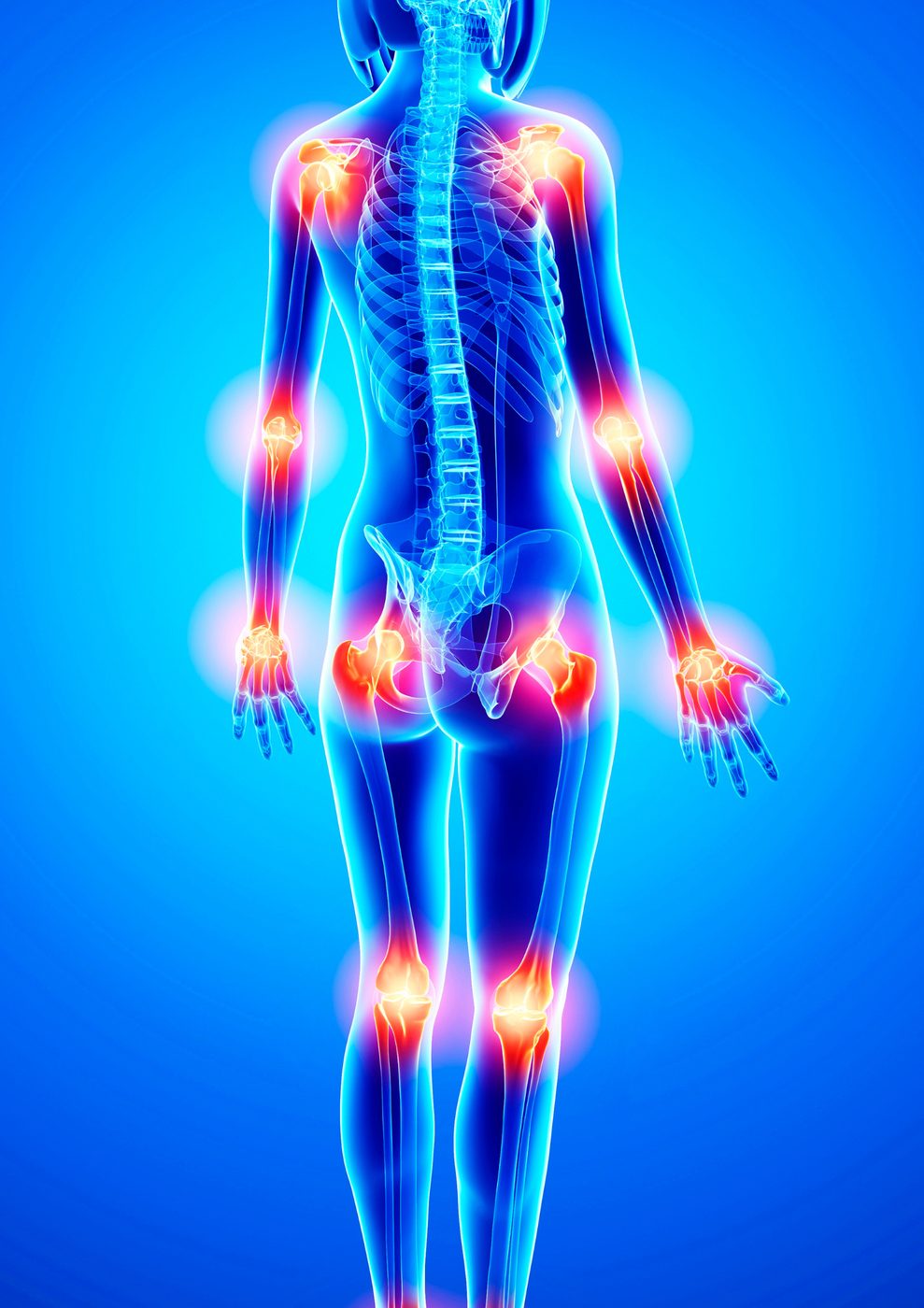
Osteoarthritis is a "wear and tear" condition, where the cartilage cushioning a joint breaks down over time, typically affecting weight-bearing joints like the knees and hips. Rheumatoid arthritis and other autoimmune conditions work differently: the immune system attacks the joint tissue itself.
How the two typically differ
- Osteoarthritis tends to worsen with activity and ease with rest, affects joints somewhat unevenly, and morning stiffness usually clears within 30 minutes
- Autoimmune joint disease often causes symmetrical pain (both hands, or both feet), morning stiffness lasting longer than 30 minutes, and may come with fatigue or general unwellness
These aren't hard rules — the two can overlap, or coexist — but they're a useful starting point for describing your symptoms clearly.
Warning signs worth flagging
Certain features point more strongly toward an inflammatory, autoimmune cause: morning stiffness lasting more than 30 minutes, multiple joints affected symmetrically, visible swelling or warmth around a joint, and fatigue alongside the joint symptoms. Joint pain that follows a viral illness like dengue or chikungunya is also worth mentioning specifically, as it can behave differently from ordinary wear-and-tear pain.
Why getting the diagnosis right matters
The treatment approaches for osteoarthritis and autoimmune joint disease differ significantly — from lifestyle and physical measures on one end, to immune-modulating medication on the other. Starting the wrong approach doesn't just delay relief; with autoimmune conditions in particular, delayed treatment can allow joint damage to progress. An accurate diagnosis, usually based on your history, examination, and sometimes blood tests or imaging, is what determines the right path forward.
Have a question about your own symptoms? Message directly and ask.
Message on WhatsAppThis article is general health information and does not replace a medical consultation. In a medical emergency, call SAMU (114) or go to your nearest hospital.