
Can Lifestyle Changes Lower Blood Pressure?
Reducing salt intake, eating a diet rich in fruits and vegetables, staying physically active, managing weight, limiting alcohol, and managing stress can meaningfully lower blood pressure for many people.
Lifestyle measures that help
- Cutting back on salt — including salt hidden in processed and canned foods
- Eating more fruits, vegetables, and whole grains
- Regular physical activity, even a daily 30-minute walk
- Reaching and maintaining a healthy weight
- Limiting alcohol intake
- Managing stress, and prioritising good sleep
None of these need to happen overnight — small, consistent changes tend to produce steadier, more lasting results than sudden drastic ones.
When lifestyle changes aren't enough
These measures are complementary to, not a replacement for, medical advice. If readings stay consistently high despite genuine lifestyle changes, medication becomes an important part of protecting your heart, kidneys, and brain long-term. High blood pressure often has no symptoms at all, which is exactly why it's sometimes called a "silent" condition — you can feel completely well while it's doing damage in the background.
Why regular monitoring matters
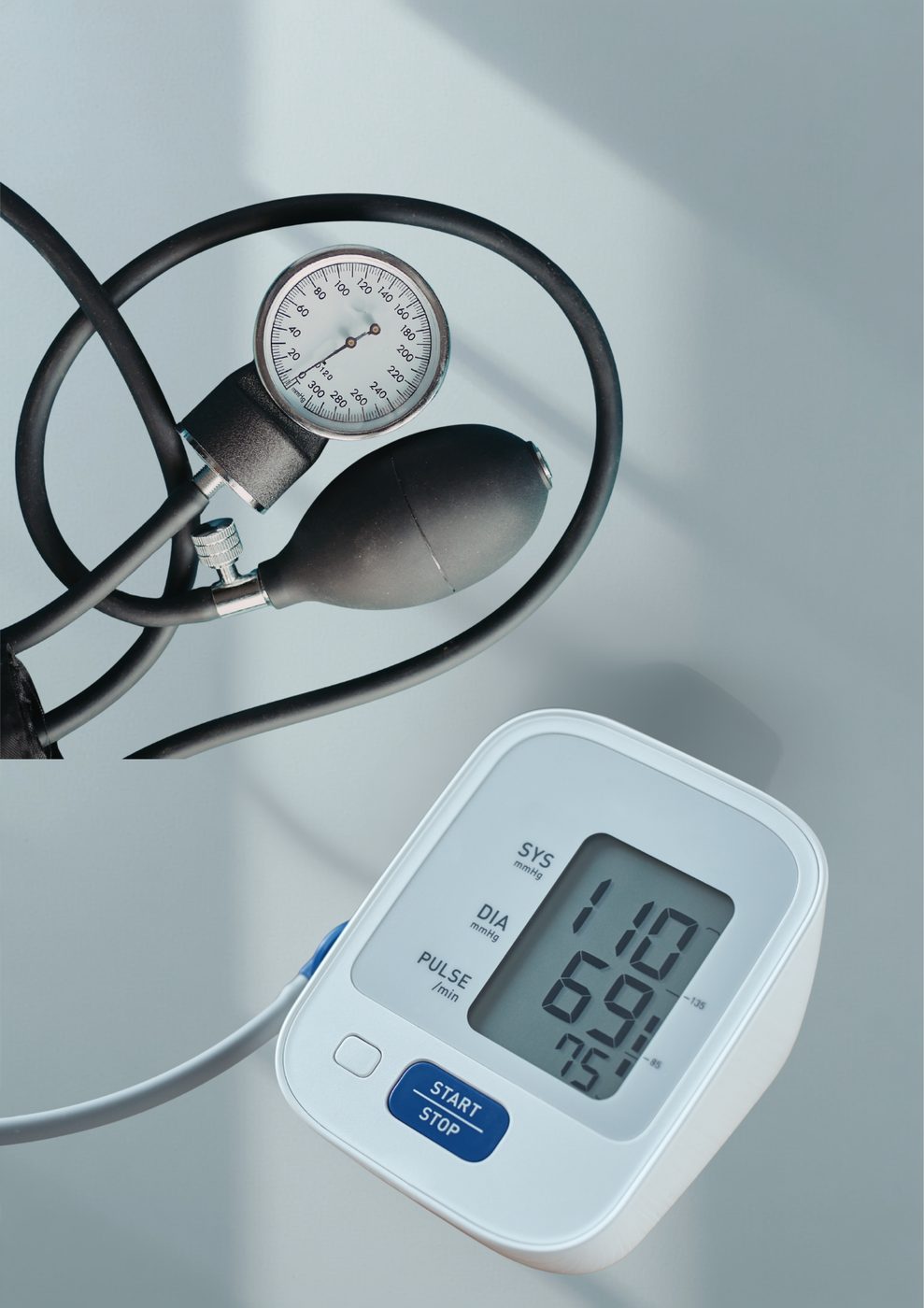
Blood pressure naturally fluctuates, so a single reading rarely tells the full story. Regular monitoring — whether at home or during clinic visits — is what determines the right balance between lifestyle measures and medication for you specifically, and lets your treatment plan adjust over time rather than staying fixed for years.
Have a question about your own symptoms? Message directly and ask.
Message on WhatsAppThis article is general health information and does not replace a medical consultation. In a medical emergency, call SAMU (114) or go to your nearest hospital.