
What Does Injecting "Gel" in a Joint Mean?
Patients often hear about a doctor "putting gel" in their knee and aren't quite sure what that means. The substance is hyaluronic acid, a thick, lubricating fluid that occurs naturally in healthy joints. Injecting it is meant to ease friction and improve movement in a joint affected by osteoarthritis — but it isn't the right option for everyone, and it isn't a cure.
What's actually in the injection
Hyaluronic acid is a natural component of the fluid that lubricates and cushions your joints. In osteoarthritis, this fluid becomes thinner and loses some of its shock-absorbing, lubricating properties, which contributes to friction, stiffness, and pain. The injection supplements this fluid directly inside the joint — most often the knee, though other joints can be treated too — to restore some of that lubrication and cushioning.
Who it's usually offered to
It's generally considered for mild to moderate osteoarthritis, once measures like weight management, appropriate exercise or physiotherapy, and standard pain relief haven't given enough relief on their own. It isn't typically the first step, and it isn't usually recommended for advanced, severe joint damage, where the benefit tends to be more limited.
What to expect from the procedure and afterward
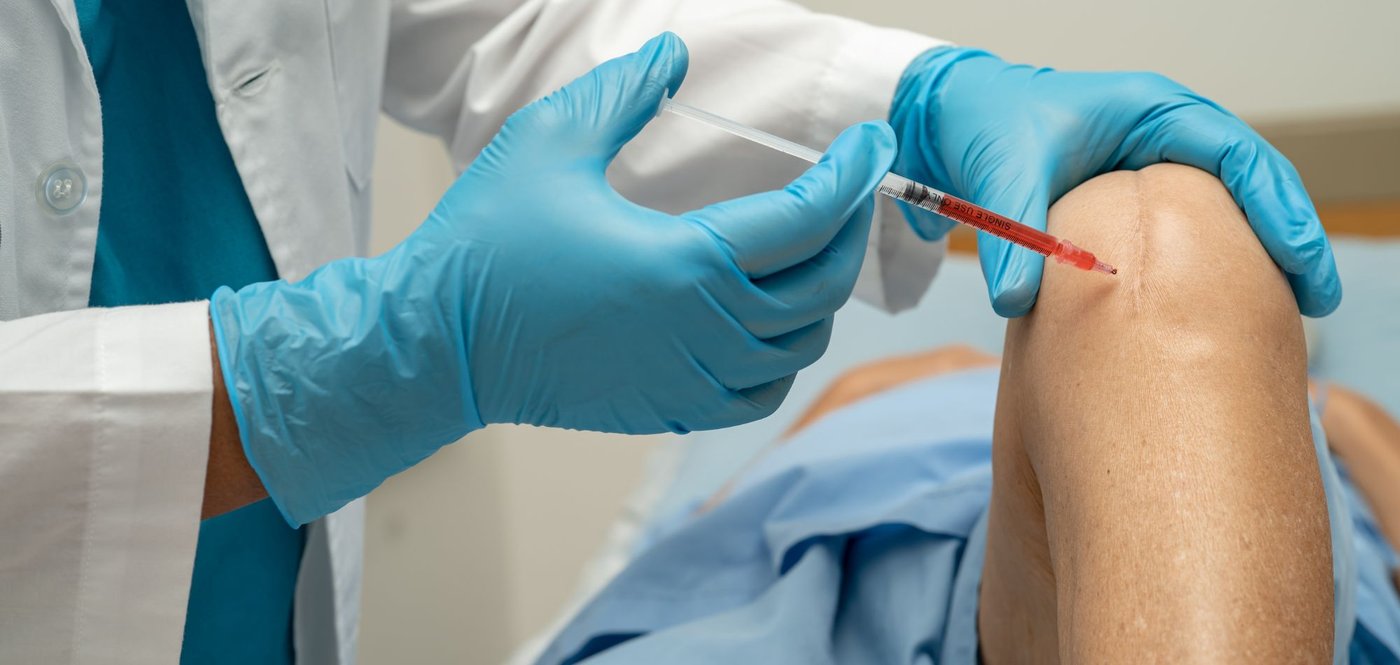
The injection is done in clinic, directly into the joint, under sterile conditions. Mild soreness or swelling at the injection site for a day or two is common and usually settles with simple measures. Relief isn't immediate for everyone — benefit often builds over one to a few weeks, and how long it lasts varies from person to person. It's worth understanding this is a symptom-relief measure, not a treatment that regenerates cartilage or reverses the arthritis itself.
Is it right for you?
Not every case of joint pain is a good fit for this injection, and the decision depends on how advanced the joint changes are, what else has already been tried, and your overall health. A proper assessment — including examination and often imaging — helps determine whether this, or another approach, makes the most sense for your joint.
Have a question about your own symptoms? Message directly and ask.
Message on WhatsAppThis article is general health information and does not replace a medical consultation. In a medical emergency, call SAMU (114) or go to your nearest hospital.