Silent Signs Your Diabetes Isn't Well Controlled
Feeling well day to day doesn't always mean your blood sugar is where it should be. Diabetes can drift out of control quietly, long before any dramatic symptom forces the issue — which is why it's worth knowing the subtler signs.
Signs to watch for
- Tiredness that doesn't improve with rest
- Blurred vision that comes and goes, especially after meals
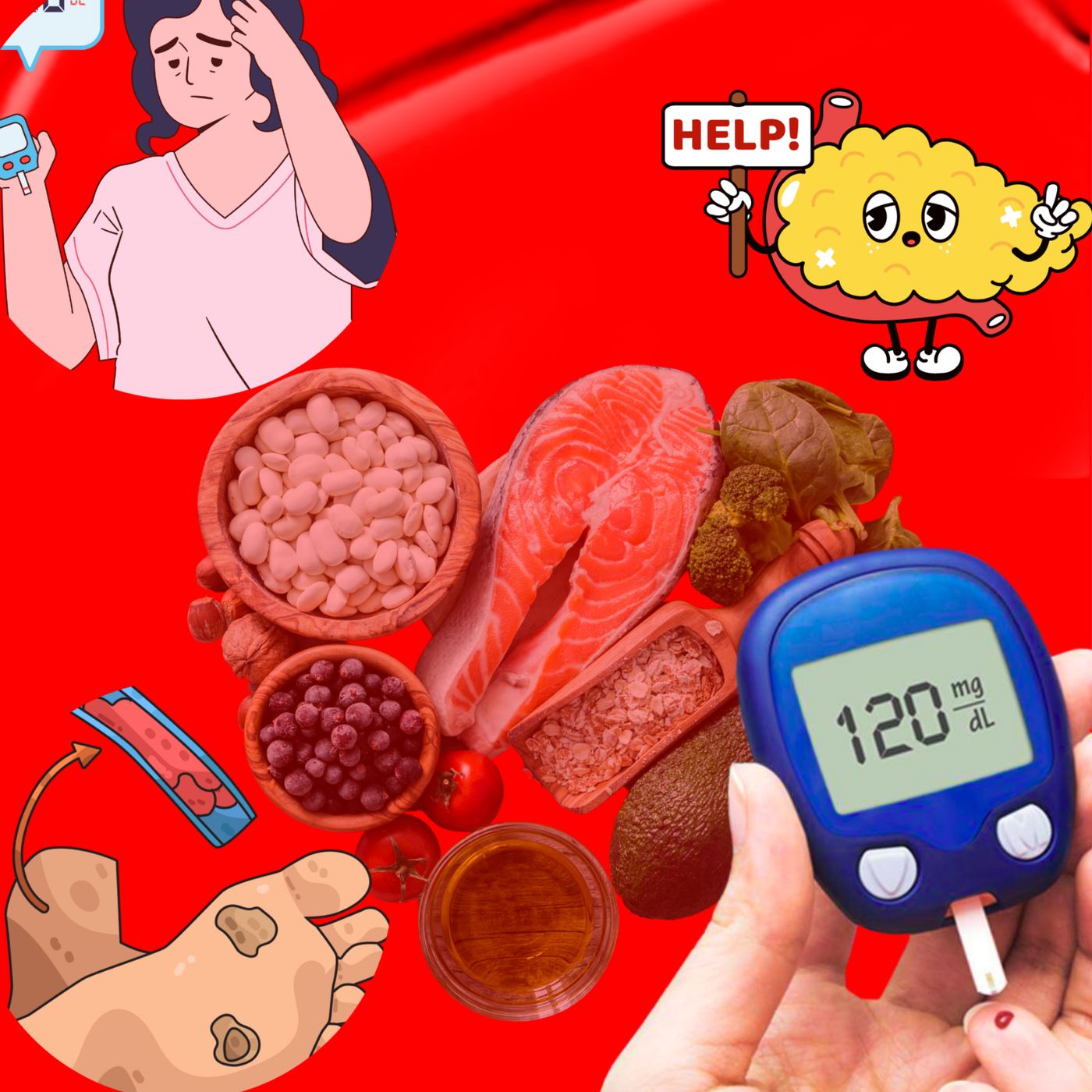
- Cuts, wounds or infections that take longer than usual to heal
- Tingling, numbness or a burning feeling in the feet or hands
- Thirst and night-time urination creeping back up
- Recurring skin, gum, or urinary infections
- Unexplained weight loss despite eating normally
- Dry, itchy skin or gums that bleed more easily when brushing
None of these confirms poor control on its own, but if one or more has become part of your normal, it's worth having your numbers checked rather than assuming it will pass.
Why these signs are easy to miss
Blood sugar can run higher than it should for months without producing an obvious symptom — the body adapts, and day-to-day life carries on as normal. This is exactly how silent damage happens: to the small blood vessels of the eyes and kidneys, and to the nerves in the feet and hands. By the time symptoms are clearly noticeable, some of that damage may already be underway. Feeling fine is reassuring, but it isn't the same as being well controlled — only a blood test can confirm that.
What to do if you notice these signs
An HbA1c test shows your average blood sugar over the past two to three months and is the most reliable way to check control, alongside a review of kidney function and cholesterol. If you're already on treatment, these subtle signs are often a cue that your medication or insulin dose needs adjusting — not a sign of failure, just a normal part of managing a condition that changes over time. Catching the drift early usually means a simple adjustment; waiting tends to mean a bigger one.
If any of these signs sound familiar, or it's been a while since your last HbA1c check, it's worth booking a review rather than waiting for your next scheduled appointment.
Have a question about your own symptoms? Message directly and ask.
Message on WhatsAppThis article is general health information and does not replace a medical consultation. In a medical emergency, call SAMU (114) or go to your nearest hospital.